
Research areas & fellows
INTERACT’s vision is to cultivate agile and responsible researchers capable of working seamlessly across STEM disciplines, with implications for transforming health solutions.
This will be done as a joint venture between 8 different departments from University of Copenhagen (UCPH), Technical University of Denmark (DTU) and Danish Cancer Institute (DCI).
You can read more about the fellows' PhD projects and aims in their individual project descriptions below.
Projects and fellows from first cohort
Chengyou Yu

Chengyou Yu
China
Academic background
BSc Biology (Technical University of Munich), MSc Biotechnology (ETH Zurich)
Host institution
University of Copenhagen
Main supervisor
Co-supervisor
Project Title
Data-informed biophysical modeling of 3D tissue organization during mouse gastrulation and glioblastoma progression.
Project summary
Developmental processes of organisms are extremely intriguing, as complex organisms stem from rather simple, random and uniform initial conditions. Therefore, the mechanisms behind how different levels of complexity arise are extremely interesting but remain elusive due to limitations of experimental methods.
Our project utilizes mathematical and physical models, aiming to capture the essence of these developmental processes via computational simulations, while grounding ourselves to experimental data, where these data could inspire us to propose novel physical principles, or serve as validation for our simulation results.
Our research goal is to explore mechanisms underlying mouse gastrulation, how symmetries are broken, how information is encoded into space and time, and how information is perceived and interpreted by cells, as well as glioblastoma development for a more systematic understanding of its pathology.
Why is it important?
Understanding the mechanistic principles behind a biological process provides exciting new opportunities.
Biophysical models aim not only to explain biological phenomena but also inspire novel treatment targets and predictive insights.
Via computer simulations, we compensate for limitations of conventional experimental methods, and could perform in-silico experiments that are difficult in laboratories.
We use these methods to study mouse gastrulation, which is arguably the most critical phase of development, as it marks the transition from cell pluripotency to specification.
Furthermore, with the conceptualization that cancer progression is a form of dysregulated development, we could also apply our model to glioblastoma, improving our understanding of its pathology.
What methods or disciplines are involved?
In the project we will mainly use agent-based modelling methods, as well as mathematical analysis, and the analysis of large-scale sequencing data.
INTERACT angle
How does the project reflect interdisciplinarity?
I have always received questions from family and friends about my work. It seems that the idea of combining physics and biology remains far-fetched for people that are not working in the field.
However, if laws of nature apply to rockets, they apply to cells! What we are doing here is trying to elucidate the ‘laws’ that molecules/cells/tissues abide to with physics and mathematics.
Then hopefully, similar to how classical physical equations led to the enormous advancement in human engineering, our ‘laws’ could also inspire the discovery of novel treatment methods to diseases.
Of course, all theories need experimental validation. Here, bioinformatics is the key to analyse large-scale data from cells and tissues, which we could later on translate into parameters and variables in our model.
How does it contribute to health research?
Understanding developmental processes in a systematic manner could have many benefits including the identification of the cause of disease, the revelation of new targets for medical treatment, predictive capabilities for early diagnosis etc.
Fun fact
The fear (and hate) of physics brought me into my undergraduate years as a biologist, but the beauty and elegance of biology brought me back to physics.
Links
LinkedIn: www.linkedin.com/in/chengyou-yu-9a9a91232
ORCID: https://orcid.org/0009-0000-7015-9947
Publications
Mederacke, M., Yu, C., Vetter, R. and Iber, D., 2025. Simulating Organogenesis in COMSOL Multiphysics: Tissue Patterning with Directed Cell Migration. arXiv preprint arXiv:2509.08930.
Yu, C., Mederacke, M., Vetter, R. and Iber, D., 2025. Directed cell migration is a versatile mechanism for rapid developmental pattern formation. BioRxiv, pp.2025-07.
Yao, N., Zhang, Z., Yu, L., Hazarika, R., Yu, C., Jang, H., Smith, L.M., Ton, J., Liu, L., Stachowicz, J.J., Reusch, T.B., Schmitz, R.J. and Johannes, F., 2023. An evolutionary epigenetic clock in plants. Science, 381(6665), pp.1440-1445.
Christoph Horlebein
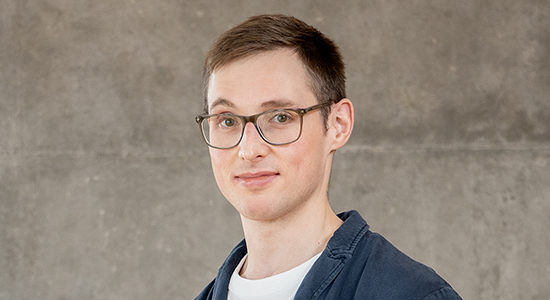
Christoph Horlebein
Germany
Academic background
MSc Bioinformatics, University of Hamburg
MSc Nutritional Sciences, Friedrich Schiller University Jena
Host institution
Biotech Research and Innovation Center (BRIC), University of Copenhagen.
Main supervisor
Fran Supek
Co-supervisor
Ole Lund
Project Title
Decoding the Regulatory Impact of Structural Variants and Indels: An Interpretable Multi-Omic AI Framework.
Project summary
We want to develop an interpretable machine learning model linking DNA with RNA/epigenomics and apply it to understand biological mechanisms behind DNA indels and structural variants (rearrangements) that cause cancer by promoting local chromatin or gene activity changes.
Why is it important?
Biological impacts of the project include a map of regulatory variant effects in tumors, unravelling new oncogene activation mechanisms, a better understanding of enhancer hijacking, and highlighting novel therapeutic targets. Technical impacts include a novel interpretable AI architecture, tools for visualizing regulatory changes and a multi-modal data integration framework.
What methods or disciplines are involved?
Building on bioinformatics methods, we will (i) design interpretable neural networks for genomic data; (ii) integrate multiple data types (indels, structural variants, expression, chromatin, clinical); (iii) develop analysis and/or visualization tools for regulatory mechanisms.
INTERACT angle
How does the project reflect interdisciplinarity?
Bioinformatics is an inherently interdisciplinary field, which seeks to gain novel insights from biological data using computational methods.
Specifically, this project leverages big datasets generated by high throughput methods measuring relevant molecular data, e.g. gene expression and epigenetic markers.
We investigate these datasets using state-of-the-art DNA language models to explore the effects of structural variants on gene regulation and chromatin structure.
How does it contribute to health research?
Our efforts focus on non-coding structural variants which are a recognized yet understudied area of research. Elucidating their precise implications in cancer could ultimately pave the way for the development of novel treatment strategies and improve the survival and livelihoods of patients.
Quote
The median size of a protein-coding gene in humans is 26,000 base pairs.
Alberts et al. (2022): Molecular Biology of the Cell, 7th International Student Ed., p. 194.
Links
LinkedIn: https://dk.linkedin.com/in/christoph-horlebein-920771217
ORCID: https://orcid.org/0009-0000-9135-1823
Publications
Schlörmann, W.; Horlebein, C.; Hübner, S.M.; Wittwer, E.; Glei, M. Potential Role of ROS in Butyrate- and Dietary Fiber-Mediated Growth Inhibition and Modulation of Cell Cycle-, Apoptosis- and Antioxidant-Relevant Proteins in LT97 Colon Adenoma and HT29 Colon Carcinoma Cells. Cancers 2023, 15, 440. DOI: 10.3390/cancers15020440
Freya Margaret Main
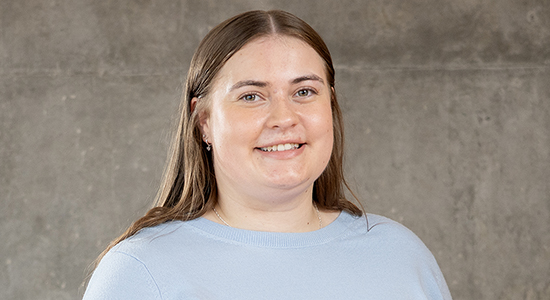
Freya Margaret Main
Scotland
Academic background
Master of Science degree: MSci Biomedical Science (Physiology) with Industrial Placement, University of Aberdeen, Scotland, United Kingdom.
Graduated in June 2025 with first class honours, with an additional prize from The Physiological Society for achieving the highest average grade in the physiology degree programme at the University of Aberdeen.
Host institution
DTU, Department of Chemistry.
Main supervisor
- Professor Katrine Qvortrup, DTU Chemistry.
Co-supervisors
- Associate Professor Lars Engelholm, BRIC.
- Professor Andreas Laustsen-Kiel, DTU Bioengineering.
Project Title
- Novel targeted therapies against hard-to-treat brain cancer.
Project summary
Why is it important?
Glioblastoma is the most common primary brain cancer in adults, with a median age of diagnosis of 65 years old. Even with the best current treatments, median survival time is only 12-15 months. One potential new treatment option is antibody-drug conjugates (ADCs), which are currently being used successfully to treat certain cancers.
Despite several ADCs reaching clinical trials for the treatment of glioblastoma, none have yet proven successful. A primary reason for these failures is that only a small percentage of administered ADCs reaches the brain due to the presence of the blood-brain and blood-cerebrospinal fluid (CSF) barriers, leading to reduced efficacy.
This project aims to overcome this issue in the design of a bispecific ADC that targets both the blood-CSF barrier, in addition to the tumour cells themselves. This approach is hypothesised to lead to improved uptake into the brain and ultimately improve drug delivery to the tumour.
What methods or disciplines are involved?
This project brings together expertise from cancer research, chemistry, computational biology, and bioengineering. Methods that will be used include in silico protein and antibody design, in vitro testing of proteins and antibodies, development of new methods to chemically modify antibodies, and in vivo testing of ADCs in glioblastoma models.
INTERACT angle
How does the project reflect interdisciplinarity?
This project brings together synergistic and complementary competencies spanning cancer research, computational biology, chemistry, and bioengineering to tackle the challenge of improving brain delivery of antibody-drug conjugates.
This interdisciplinary approach means that it is possible to use the latest knowledge and techniques from multiple fields of research, which is necessary for tackling such a complex problem.
How does it contribute to health research?
Antibodies and antibody drug conjugates (ADCs) have proven to be useful in treating several cancers outside the central nervous system.
The primary limitation to their use in brain cancers, and other brain conditions such as neurodegenerative diseases, is that only a small percentage of administered antibodies and ADCs can reach the brain due to the blood-brain and blood-CSF barriers blocking the uptake of such large proteins.
While this project focuses on the treatment of glioblastoma, it is possible that the mechanism that will be investigated to improve uptake of ADCs into the brain could in the future be used to improve the uptake of other therapeutics, potentially improving the treatment of a range of brain diseases beyond glioblastoma.
Fun fact
Outside of work, I enjoy playing the violin, reading, and painting, and of course exploring Copenhagen!
Links
Instagram: https://www.instagram.com/freya_main?igsh=MXB2eGN6bGxqZGlw&utm_source=qr
LinkedIn: https://www.linkedin.com/in/freya-main
Jesslyn Nagalin Yonathan

Jesslyn Nagalin Yonathan
Indonesia
Academic background
BSc in Biological Sciences (1st class honours) from the City University of Hong Kong
MSc in Human Biology – Principles of Health and Disease from Ludwig Maximilian University of Munich.
Host institution
BRIC, University of Copenhagen
Main supervisor
Professor Anders Lund, BRIC.
Co-supervisors
Chiara Francavilla
Project Title
Deciphering pathological translation programs in colorectal cancer via post-translational ribosomal protein modifications.
Project summary
Ribosomal heterogeneity refers to the existence of diverse ribosome populations with specialised functions. Cancer cells can harbour specialised “onco-ribosomes” that drive the selective translation of mRNAs promoting tumour growth, survival, and metastasis.
This project investigates how such pathological ribosomes arise in colorectal cancer (CRC), the third most common cancer and the second leading cause of cancer-related deaths worldwide. While various factors can give rise to ribosomal heterogeneity, this project focuses on post-translational modifications (PTMs) of ribosomal proteins, namely phosphorylation.
Understanding these mechanisms is crucial as colorectal cancer remains a relevant biomedical challenge, and dysregulated protein synthesis, and subsequently dysregulated metabolism, is an important hallmark of cancer. Additionally, ribosomes represent an underexplored yet druggable vulnerability.
This project encompasses a combination of mass spectrometry-based proteomics, genome editing, organoid cancer models, and systems biology to map PTMs of ribosomal proteins, assess their functional roles in translation, and identify relevant signalling pathways. This interdisciplinary approach thus aims to reveal how CRC driver mutations alter ribosome composition and functions to promote pathophysiological protein synthesis.
INTERACT angle
This project will bridge expertise in cell and cancer biology (BRIC) with high-level technical expertise in signalling and mass spectrometry (DTU Bioengineering).
The project will combine molecular biology, biochemistry, phosphoproteomics, and systems biology to map PTMs on ribosomal proteins in CRC organoid models. Organoid modelling provides better physiological relevance.
Functional and computational analyses will then link specific RP PTMs to protein translation, oncogenic signalling pathways, and tumour behaviours.
As colorectal cancer remains a relevant biomedical challenge, its prevalence is expected to continue increasing, including in young people.
The project aims to better understand the molecular mechanisms of CRC. By understanding how ribosomal protein modifications drive cancer-specific translation programs, the study can reveal novel biomarkers and therapeutic targets.
Additionally, since the ribosome is a druggable entity, as a long-term vision, this project may contribute to the development of precision medicine that selectively targets pathological translation in tumour cells, potentially improving treatment outcomes and reducing toxicity compared to conventional chemotherapy.
Quote
If it looks stupid but it works, it isn’t stupid.
Links
- LinkedIn: https://linkedin.com/in/jesslyn-nagalin-yonathan-ab4281187
- ORCID: https://orcid.org/0009-0001-5202-8668
- Publications: Shuyi Mai, Xiaoxuan Zhu, Esther Yi Ching Wan, Shengyu Wu, Jesslyn Nagalin Yonathan, Jun Wang, Ying Li, Jessica Yuen Wuen Ma, Bing Zuo, Dennis Yan-yin Tse, Pui-Chi Lo, Xin Wang, Kui Ming Chan, David M. Wu, Wenjun Xiong; Postnatal eye size in mice is controlled by SREBP2-mediated transcriptional repression of Lrp2 and Bmp2. Development 15 July 2022; 149 (14): dev200633.
Kawtar Ettayri
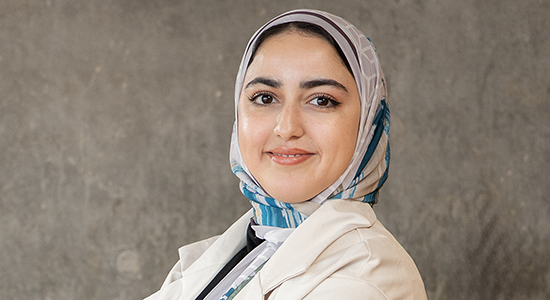
Kawtar Ettayri
Morocco
Academic background
Doctor of Philosophy (PhD) in Chemistry (ongoing), University of Copenhagen, Denmark.
Master of Science (MSc) in Chemistry, Jiangsu University, Zhenjiang, China. Specialization: Functional nanomaterials and their application for Chemo/biosensor platforms.
Bachelor of Science (BSc) in Education of Physics and Chemistry - Cadi Ayyad University, Marrakesh, Morocco.
Host institution
Department of Chemistry, University of Copenhagen
Main supervisor
Professor Morten Jannik Bjerrum.
Co-supervisors
Professor Peter W. Thulstrup
Professor Anders H. Lund (Interact Interdisciplinary co-supervisor)
Project Title
Oxidative RNA Modifications (OxiRNA).
Project summary
RNA oxidation affects gene expression, contributes to disease, and limits RNA stability in nanotechnology and therapeutics. Understanding the chemical and structural determinants of RNA susceptibility will advance nucleic acid chemistry and improve strategies to prevent oxidative damage.
Chemistry, RNA biology, and nanotechnology; methods include ROS generation, ESI-TOF mass spectrometry, capillary electrophoresis, circular dichroism, NMR spectroscopy, and biological assays of ribosome function.
INTERACT angle
This project bridges chemistry, molecular biology, and nanotechnology. It integrates metal-ion chemistry and reactive oxygen species generation with RNA structural analysis using advanced techniques (ESI-TOF MS, NMR, capillary electrophoresis, circular dichroism) and biological assays of ribosome function. Collaborations with experts in structural NMR and RNA biology further expand the interdisciplinary scope, combining chemical, structural, and biological perspectives to understand RNA oxidation at both molecular and cellular levels.
Oxidative RNA damage is linked to gene expression dysregulation and various diseases, including neurodegeneration and cancer. By elucidating the molecular mechanisms and structural determinants of RNA oxidation, the project identifies factors that influence RNA stability in biological systems.
Insights from this research may inform the design of RNA-based therapeutics, improve strategies to prevent oxidative damage, and enhance the stability of RNA nanomaterials, ultimately contributing to disease prevention and treatment strategies.
Fun fact
I relate to RNA: flexible, resilient, and always ready to take on new challenges.
Links
Instagram: Kawtar_ettayri
LinkedIn: linkedin.com/in/kawtar-ettayri-a40799228
ORCID: orcid.org/0009-0003-9593-8033
Publications
- Ettayri, Z. Gu, H. Yang, Y. Chen, M. Ma, C. Wang, L. Long, K. Wang, J. Qian. Recent advances in DNA aptamer-based fluorescence biosensors from design strategies to diverse applications and future challenges: A review. International Journal of Biological Macromolecules, 2025, 147398.
- Ettayri, H. Zhang, L. Long, H. Yang, M. Hussain, M.S. Wong, K. Wang, C. Wang, J. Qian. Enhancing resolution in DNA staining dye-based label-free visual fluorescence aptasensor: Strategy for eliminating non-specific binding-induced signal interference. Talanta, 2025, 282, 127034.
- Liu, Z. Gu, L. Qian, K. Ettayri, T. Deng, C. Zhang, J. Qian, X. Huang, C. Wang. Enhanced quenching efficiency of UiO-66-NH₂ over UiO-66 to engineer high-performance fluorescence aptasensor for oxytetracycline monitoring. Talanta, 2025, 293, 128082.
- Hussain, Y. Liu, C. Wang, H. Yang, K. Ettayri, Y. Chen, K. Wang, L. Long, et al. Programmability of dual-color DNA-templated silver nanoclusters for modular design of FRET aptasensors toward multiplexed detection. Chemical Communications, 2024, 60(82), 11722–11725.
- Yang, Y. Liu, C. Wang, M. Hussain, K. Ettayri, Y. Chen, K. Wang, L. Long, et al. Ultrastable NAC-capped CdZnTe quantum dots encapsulated within dendritic mesoporous silica as an exceptional tag for anti-interference fluorescence aptasensor with signal amplification. Analytical Chemistry, 2024, 96(36), 14550–14559.
- Qian, H. Yang, H. Cui, K. Ettayri, F. You, K. Wang, J. Wei, C. Wang. Integrating CdIn₂S₄ semiconductors with S-vacancy MoS₂ nanosheets to fabricate a multi-channel aptasensing chip for photoelectrochemical detection of multiple mycotoxins. Analytica Chimica Acta, 2024, 1319, 342982.
Laura Mattioli
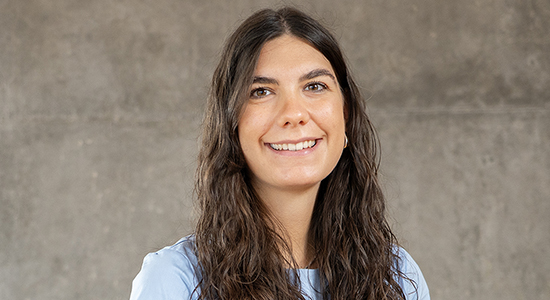
Laura Mattioli
Italy
Academic background
Master’s Degree in Cellular and Molecular Biotechnology, University of Trento, Italy Bachelor’s Degree in Biotechnology, University of Ferrara, Italy.
Host institution
Denmark Technical University of Denmark – DTU, DTU bioengineering
Supervisors
Chiara Francavilla
Fena Ochs
Project Title
How nutrients rewire breast cancer cell signalling outputs.
Project summary
Receptor Tyrosine Kinases (RTKs) are key signalling proteins whose dysregulation drives cancer cell proliferation, survival, and metastasis. In breast cancer (BC), abnormal RTK activity in mammary epithelial cells promotes uncontrolled growth and tumour progression.
Among these receptors, the Fibroblast Growth Factor Receptor (FGFR) family has gained particular attention for its role in BC development and aggressiveness. Within this family, the epithelial isoform FGFR2b stands out due to its finely tuned and context-dependent signalling, which can shape diverse cellular responses.
A crucial and complex aspect of FGFR2b biology is receptor trafficking following its activation. This process has been shown to depend on the specific ligand engaged, leading to distinct cellular outcomes. However, these insights derive mainly from in vitro models, which fail to capture the dynamic nature of the tumour microenvironment (TME).
In this project, I will use different techniques including cell culture upon nutrient perturbations, growth factor stimulation, proximity labelling, phosphoproteomics, and high-resolution imaging techniques to explore how TME reprograms FGFR2b signalling in BC cells, in time and space.
INTERACT angle
How does the project reflect interdisciplinarity?
This project demonstrates interdisciplinarity through the integration of system biology based on cell biology and quantitative proteomics with advanced imaging techniques. By working in the Ochs lab at KU, I will gain experience in a new research environment and learn methods that differ significantly from those commonly used in the Francavilla lab. The application of high-resolution imaging will enable me to investigate how growth factors influence FGFR2b signalling not only over time but also within specific spatial contexts, providing insights into how the receptor moves and functions within the cell.
How does it contribute to health research?
This research project will contribute to health science by elucidating the role of breast cancer tumour microenvironment in shaping FGFR2b signalling outcomes. Understanding these mechanisms will support the development and refinement of receptor tyrosine kinase (RTK)-targeted therapies, potentially improving treatment strategies for breast cancer patients.
Quote
Every great discovery starts with: ‘That’s weird…’
Links
LinkedIn: Laura Mattioli | LinkedIn
ORCID: https://orcid.org/0009-0004-3158-5272
Marzia Dell’Eva
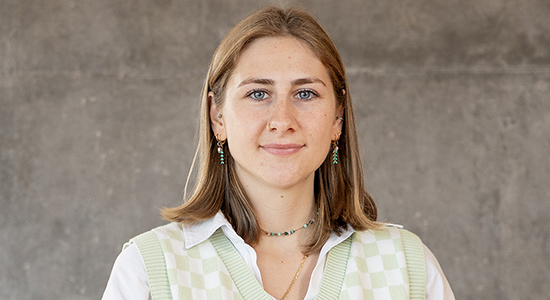
Marzia Dell’Eva
Italy
Academic background
Bachelor’s degree in Molecular Biology at the University of Padova, IT.
Master’s degree in Molecular Biology at Lund University, SE.
Host institution
DTU, Department of Chemistry
Supervisors
Mads Hartvig Clausen
Krister Wennerberg
Project Title
Evaluation of Carbohydrate-Based Vaccine Candidates in Advanced Human Cancer Models.
Project summary
Although extensively investigated, the efficacy of protein-based cancer vaccines has remained limited, with patients often showing only mild to no therapeutic benefit. Tumor associated carbohydrate antigens (TACAs) offer a promising alternative to conventional protein antigens, potentially circumventing cancer cell’s immune evasion mechanisms involving MHC I downregulation.
This project aims to evaluate the efficacy of different TACA-based vaccine formulations on co-cultures of human-derived cancer organoids and immune cells. After establishing these co-cultures, different vaccine candidates will be tested, either targeting different TACAs or incorporating structural modifications intended to modulate the immune response and enhance anti-tumor efficacy. To compensate for the inherently low immunogenicity of carbohydrate antigens, the formulation will include an adjuvant component that can itself be subjected to immune response-skewing chemical modifications.
Vaccine performance will be assessed through immunological and functional analyses, including measurements of immune cell activation, cytokine secretion, and tumor cell cytotoxicity. These parameters will be examined using a range of experimental techniques, such as flow cytometry, immunostainings, ELISAs, imaging-based analyses, and cell viability assays.
INTERACT angle
The project has a strong interdisciplinary nature, as it bridges carbohydrate chemistry, which is the expertise of the main supervisor, and cancer cell biology, which is competence of the second supervisor.
This interdisciplinarity will be achieved by working closely with both research groups throughout the entirety of the PhD, helping to establish a long-term collaboration. This synergy will allow the PhD fellow to work in diverse research environments, gaining complementary skills from both disciplines.
The project is highly relevant to health research, as it inserts itself in the broader context of cancer immunotherapy by investigating novel vaccine formulations in physiologically representative in vitro models.
Fun fact
Surviving Denmark’s winter blues by crocheting, drinking too much tea and trying to find a cure for cancer.
Links
DTU Research Database: https://orbit.dtu.dk/en/persons/marzia-delleva/
LinkedIn: www.linkedin.com/in/marzia-dell-eva
Natálie Palková
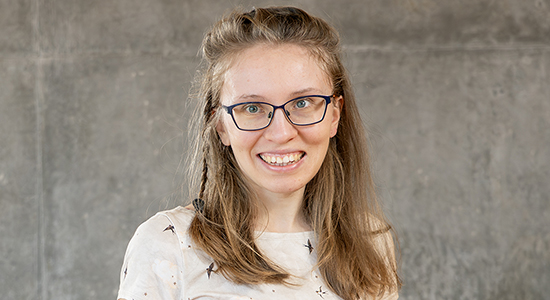
Natálie Palková
Czech
Academic background
Bc. Molecular Biology and Biochemistry of Organisms at Charles University (Prague). Mgr. Cell Biology at Charles University (Prague).
Throughout my studies, I have been a part of Libor Macůrek’s group at the Institute of Molecular Genetics of the Czech Academy of Sciences.
Host institution
BRIC, University of Copenhagen
Supervisors
Julien Duxin
Poul Martin Bendix
Project Title
Mechanisms of ZATT-mediated TOP2cc repair.
Project summary
DNA–protein crosslinks (DPCs) are deleterious DNA lesions that occur when proteins become covalently attached to DNA through the action of endogenous metabolites, radiation, or chemotherapeutic agents. A prominent class of DPCs is formed by topoisomerase II covalent complexes (TOP2ccs).
Topoisomerase II (TOP2) resolves DNA topological constraints through a tightly regulated cycle of DNA double-strand cleavage and religation (Nitiss et al., 2009a).
Chemotherapeutic agents such as etoposide interfere with this process by blocking the religation step, thereby stabilizing TOP2ccs and generating persistent DNA double-strand breaks (Wu et al., 2011).
To preserve genome stability, cells have evolved coordinated pathways to detect and accurately repair DNA damage. Recent studies have identified the SUMO ligase ZATT (ZNF451) as a critical regulator of topoisomerase II–DNA covalent complex (TOP2cc) repair (Schellenberg et al., 2017). However, the molecular mechanism by which ZATT promotes the resolution of TOP2ccs remains poorly understood.
To address this question, we will combine biochemical approaches, using the Xenopus egg extract system, with biophysical methods, such as C-trap optical tweezers microscopy. Xenopus egg extracts represent a powerful and versatile model that recapitulates DNA replication and repair in a physiological environment. The dynamics of TOP2cc repair will be then elucidated using state-of-the-art C-trap optical tweezers, which allow real-time visualization of repair factor recruitment and resolution of TOP2ccs at the single-molecule level.
INTERACT angle
How does the project reflect interdisciplinarity?
Combining the unique Xenopus egg extract system and state-of-the-art C-trap optical tweezers imaging, the project bridges between biochemistry and biophysics. The combination of these two perspectives will enable us to gain an understanding of TOP2cc repair mechanisms in replicating chromatin and visualize these processes at single molecule level.
How does it contribute to health research?
We believe that this collaboration will advance our understanding of how TOP2ccs are resolved and may pave the way for the development of targeted therapies that exploit vulnerabilities in DPC repair pathways.
Fun fact
I’ve been working in the lab since high school, and experimental work has given me not only lots of experience and fun, but also my husband, a fellow researcher who is about to start a postdoc in Denmark.
This shared journey has taught me how collaboration can naturally extend across labs and institutions.
As a mother of a three-year-old boy, I also serve as a parent representative in the INTERACT program, showing that science and family life can truly go hand in hand.
Links
LinkedIn: https://www.linkedin.com/in/nat%C3%A1lie-palkov%C3%A1-0b62b433a/
ORCID: https://orcid.org/0009-0007-4527-0900
Publications
Nešporová, K., Pavlík, V., Šafránková, B., Vágnerová, H., Odráška, P., Žídek, O., Císařová, N., Skoroplyas, S., Kubala, L., & Velebný, V. Effects of wound dressings containing silver on skin and immune cells. Sci Rep. 2020;10(1):15216. Published 2020 Sep 16. doi:10.1038/s41598-020-72249-3
Storchova R, Palek M, Palkova N, et al. Phosphorylation of TRF2 promotes its interaction with TIN2 and regulates DNA damage response at telomeres. Nucleic Acids Res. 2023;51(3):1154-1172. doi:10.1093/nar/gkac1269
Palek M, Palkova N; consortium CZECANCA , Kleiblova P, Kleibl Z, Macurek L. RAD18 directs DNA double-strand break repair by homologous recombination to post-replicative chromatin. Nucleic Acids Res. 2024;52(13):7687-7703. doi:10.1093/nar/gkae499
Niloufar Maghsoudnia
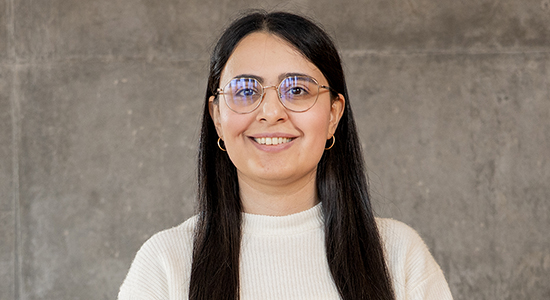
Niloufar Maghsoudnia
Iran
Academic background
Doctor of Pharmacy (Pharm.D), Tehran University of Medical Sciences.
Host institution
Department of Chemistry, University of Copenhagen.
Supervisors
Junsheng Chen
Lisa B. Frankel
Project Title
Ultrabright Fluorescent Nanoparticles for Detection of Rare RNAs and Proteins.
Project summary
What is the project about?
This project aims to develop ultrabright organic fluorescent nanoparticles, known as SMILES (Small-Molecule Ionic Isolation Lattices) nanoparticles, for advanced biological imaging. These nanoparticles are engineered through molecular self-assembly to enhance fluorescence brightness and photostability while preventing aggregation-caused quenching, a common drawback among fluorescent nanoparticles.
By modifying SMILES nanoparticles’ surface with biocompatible coatings and specific targeting molecules such as antibodies or single strand DNA sequences, they can be used to study rare RNAs and proteins localization in life-threatening diseases such as cancer. This approach will enable more precise imaging of molecular processes in cells, offering new insights into disease mechanisms and potential therapeutic strategies.
Why is it important?
SMILES nanoparticles will aid in answering important questions regarding the subcellular distribution of low-abundance RNAs or proteins that are difficult to visualize using conventional imaging technologies. This PhD project will provide valuable information about rare molecular events such as RNAs or proteins dysregulation in various diseases and facilitate the development of more targeted and effective therapeutic strategies.
What methods or disciplines are involved?
The project involves the design, synthesis, and characterization of fluorescent nanoparticles with tunable photophysical properties, followed by surface functionalization using biomolecules such as antibodies or single strand DNA sequences. Advanced imaging methods, including confocal fluorescence microscopy, are used to study cancer cell imaging and visualize molecular interactions at the subcellular level.
INTERACT angle
How does the project reflect interdisciplinarity?
This project bridges several scientific fields, combining chemistry, photophysics, nanotechnology, and molecular biology. By linking the photophysical design of fluorescent nanoparticles with their biological application in cellular imaging, the project integrates materials science, spectroscopy, and life sciences in a truly interdisciplinary approach to studying complex biological systems.
How does it contribute to health research?
The project promotes innovation in health sciences by enabling high-resolution visualization of disease-related molecules, such as RNAs and proteins, that are difficult to detect with current imaging methods. Using ultrabright and surface-modified SMILES nanoparticles, it allows more precise study of molecular dysregulation in cancer and other diseases. These insights can improve understanding of disease mechanisms and support the development of more targeted diagnostic and therapeutic strategies.
Quote
Just a tiny particle can light up a whole cell—let’s turn invisible molecules into visible stories!
Links
LinkedIn: https://www.linkedin.com/in/niloufar-maghsoudnia-2ba925160/
ORCID: https://orcid.org/0000-0001-8309-4150
Publications
Maghsoudnia, N., Eftekhari, R.B., Roshandel, M., Ahmadi, M., Edalat, M., Hajimolaali, M., Milani, S., Shal, M.K. and Dorkoosh, F.A., 2022. Hyaluronic acid in drug delivery.
Maghsoudnia, N., Edalat, M., Hajimolaali, M., Iranpour, S., Khoshkhat, P., Inanloo, P., Eftekhari, R.B., Antimisiaris, S.G. and Dorkoosh, F.A., 2022. Liposomal supplements. In Liposomes for functional foods and nutraceuticals (pp. 235-278). Apple Academic Press.
Eftekhari, R.B., Maghsoudnia, N. and Dorkoosh, F.A., 2021. Publish or perish: an academic status anxiety. Pharmaceutical Nanotechnology, 9(4), pp.248-250.
Maghsoudnia, N., Eftekhari, R.B., Sohi, A.N. and Dorkoosh, F.A., 2021. Chloroquine assisted delivery of microRNA mimic let-7b to NSCLC cell line by PAMAM (G5)-HA nano-carrier. Current Drug Delivery, 18(1), pp.31-43.
Maghsoudnia, N., Eftekhari, R.B., Sohi, A.N., Zamzami, A. and Dorkoosh, F.A., 2020. Application of nano-based systems for drug delivery and targeting: a review. Journal of Nanoparticle Research, 22(8), p.245.
Maghsoudnia, N., Baradaran Eftekhari, R., Naderi Sohi, A., Norouzi, P., Akbari, H., Ghahremani, M.H., Soleimani, M., Amini, M., Samadi, H. and Dorkoosh, F.A., 2020. Mitochondrial delivery of microRNA mimic let-7b to NSCLC cells by PAMAM-based nanoparticles. Journal of Drug Targeting, 28(7-8), pp.818-830.
Baradaran Eftekhari, R., Maghsoudnia, N. and Dorkoosh, F.A., 2020. Art and drug delivery system design: dissonance or a harmony? Expert Opinion on Drug Delivery, 17(6), pp.735-739.
Baradaran Eftekhari, R., Maghsoudnia, N., Samimi, S. and Abedin Dorkoosh, F., 2020. Application of chitosan in oral drug delivery. In Functional chitosan: drug delivery and biomedical applications (pp. 43-73). Singapore: Springer Singapore.
Baradaran Eftekhari, R., Maghsoudnia, N. and Dorkoosh, F.A., 2020. Chloroquine: a brand-new scenario for an old drug. Expert Opinion on Drug Delivery, 17(3), pp.275-277.
Eftekhari, R.B., Maghsoudnia, N., Samimi, S., Zamzami, A. and Dorkoosh, F.A., 2019. Co-delivery nanosystems for cancer treatment: a review. Pharmaceutical nanotechnology, 7(2), pp.90-112.
Samimi, S., Maghsoudnia, N., Eftekhari, R.B. and Dorkoosh, F., 2019. Lipid-based nanoparticles for drug delivery systems. Characterization and biology of nanomaterials for drug delivery, pp.47-76.
Patricia Fierro-Hernandez
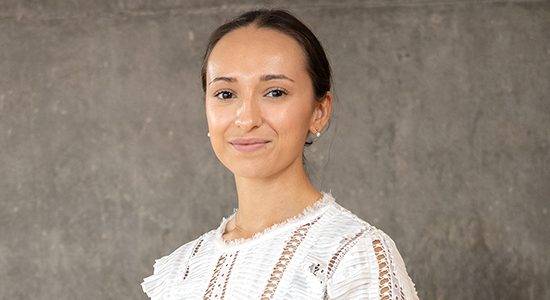
Patricia Fierro-Hernandez
Spain
Academic background
BSc Biochemistry (University of Navarre, Spain), MSc in Neuroscience & International Public Health (Vrije Universiteit Amsterdam)
Host institution
Technical University Denmark
Main supervisor
Anne Zebitz Eriksen
Co-supervisor
Project Title
“Development of a diabetic retinopathy organoid model focusing on neuroinflammation and neurodegeneration”
Project summary
What is the project about?
Our general aim is to advance the understanding of ocular diseases, focusing on diabetic retinopathy (DR), and to develop potential therapies that prevent their onset. Specifically, we aim to 1) develop a DR organoid model that focuses on neuroinflammation and neurodegeneration, 2) evaluate the induction of a neuroinflammatory and neurodegenerative response, and 3) investigate possible therapeutic targets involved in relevant biochemical pathways, that allow us to rescue a healthy neuronal phenotype.
Why is it important?
DR is a major complication in diabetic patients that is a leading cause of blindness in around 146 million people worldwide. For many years, DR has been described as a microvascular disease. However, in the recent years, emerging evidence suggests that neuronal degeneration in retinal cells occurs before vascular problems arise, during the early stages of diabetes. The development of biologically relevant models is necessary to deepen our understanding of the underlying pathways of DR, and for the development of new treatments that target the early stages of the disease.
What methods or disciplines are involved?
In this project we will leverage stem cell-derived eye organoids, patient-specific disease models, molecular biology methods, and advanced techniques including imaging and transcriptomics.
INTERACT angle
How does the project reflect interdisciplinarity?
This project combines stem cell biology and organoid technology with neuroinflammation research to investigate the complexity of the early mechanisms underlying DR. The integration of these disciplines constitutes a novel research approach, emphasizing the interplay between retinal neurons, glial cells, and immune signalling pathways. By integrating expertise from these two distinct fields, we aim to provide a comprehensive understanding of how retinal neurons and glial cells respond to diabetic conditions and the yet unknown immune signalling pathways that contribute to neurodegeneration in DR.
How does it contribute to health research?
This interdisciplinary project will bridge different disciplines to develop a DR model that focuses on neuroinflammation and neurodegeneration. If successful, we will contribute widely to the understanding of the underlying mechanisms of ocular diseases, and specifically DR, mostly regarding the interaction between retinal inflammation and neurodegeneration.
Fun fact
I live by the quote, “The answer is always no if you don’t ask”. I apply it daily in my pursuit of bridging science and policy.
Links
LinkedIn: www.linkedin.com/in/patricia-fierro-herna ndez
ORCID: https://orcid.org/0009-0006-3802-1511
Publications
Rohde SK, Luimes MC, Lorenz LMC, et al. Amyloid-Beta Pathology and Cognitive Performance in Centenarians. JAMA Neurol. Published online June 30, 2025. doi:10.1001/jamaneurol.2025.1734.
Fierro-Hernandez, P., Rouzaut, A.; 2021; Optimization of tumor immunotherapy in breast carcinoma. Tumor microvasculature normalization: blood vessels’ endothelium; https://hdl.handle.net/10171/62155.
Piet Jan Pelle Boers

Netherlands
Academic background
BSc Liberal Arts and Sciences, Utrecht University, BA Philosophy, Utrecht University, MSc History and Philosophy of Science, Utrecht University
Host institution
Department of Science Education (IND), Copenhagen University
Main supervisor
Co-supervisor
Anders H. LundProject Title
The INTERACT programme: The Embodied Practice of Interdisciplinary Doctoral Research
Project summary
I research interdisciplinary doctoral research (specifically the INTERACT programme I am part of myself). Using a plethora of qualitative methods, I will examine how interdisciplinary research is constructed by the day-to-day embodied practice of researchers.
This research helps in creating a better understanding of interdisciplinary doctoral research. This more acute understanding can aid in deciding what interdisciplinary projects are worth the extra resources and what projects might be more efficient and effective when done in a multi-disciplinary or mono-disciplinary settings.
This PhD entails different qualitative methods (e.g., interviews and in-person observations). The project combines philosophy of science and anthropology.
INTERACT angle
How does the project reflect interdisciplinarity?
This project researchers interdisciplinarity by using different methods from different fields. Moreover, it integrates different epistemological and ontological standpoints from these fields.
How does it contribute to health research?
It contributes to health research as interdisciplinarity is becoming increasingly important for this field of research. An acute understanding of interdisciplinarity is necessary to understand the underlying methodology of health research.
Fun fact
Coming from the Netherlands, I was hesitant to pursue PhD’s abroad because being able to cycle everywhere is a freedom I really appreciate. So, the fact that Copenhagen is a cycle-city really is a great bonus!
Links
LinkedIn: https://www.linkedin.com/in/pelle-boers-6a3219202/
ORCID: 0009-0009-4852-2119
Salah Moradi
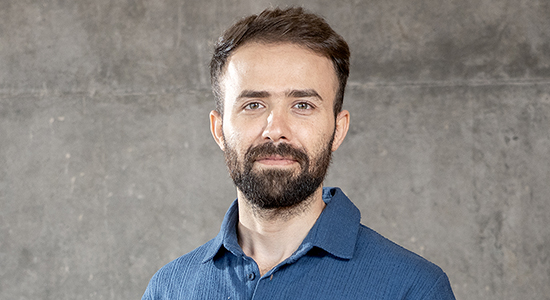
Salah Moradi
Iran
Academic background
BSc Chemical Engineering (University of Tabriz, Iran), MSc in Chemical Engineering (University of Tehran)
Host institution
Technical University Denmark
Main supervisor
Fatemeh Ajalloueian
Co-supervisor
Lisa FrankelProject Title
Multilayer Nanostructured Microparticles for colon targeted delivery
Project summary
What is the project about?
The project focuses on developing an innovative oral drug delivery system based on multilayer nanofibrous microparticles for colon cancer therapy. These microparticles are engineered to protect drugs in the upper gastrointestinal tract, enable colon-specific release, and enhance selective uptake by cancer cells. By integrating multiple functional layers into a single micro-unit, the system aims to improve therapeutic efficacy, reduce systemic side effects, and advance scalable nanostructured drug delivery technologies.
Why is it important?
This project is important because current oral chemotherapy systems for colorectal cancer suffer from poor drug stability, non-specific distribution, and severe systemic side effects. By enabling precise colon-specific delivery and enhanced tumor targeting, the proposed system can improve treatment efficacy while reducing toxicity. Its patient-friendly oral administration and scalable design also support clinical translation, addressing a major unmet need in effective and accessible colorectal cancer therapy.
What methods or disciplines are involved?
The project integrates nanotechnology, biomaterials engineering, pharmaceutical sciences, and cancer biology, using electrospinning, nanoparticle synthesis, microfabrication, and in vitro biological evaluation for colon-targeted drug delivery.
INTERACT angle
How does the project reflect interdisciplinarity?
The project is interdisciplinary by combining materials science and nanotechnology for designing multilayer nanofibers, pharmaceutical sciences for drug encapsulation and controlled release, engineering for microfabrication and scalability, and cancer biology for evaluating cellular targeting and therapeutic efficacy in colorectal cancer models.
How does it contribute to health research?
The project contributes to health research by advancing oral, colon-targeted drug delivery strategies that improve therapeutic efficacy and reduce systemic toxicity in colorectal cancer treatment. It provides new insights into multilayer nanostructured carriers, controlled release mechanisms, and tumor-specific targeting, supporting the development of more effective, patient-friendly, and translatable cancer therapies.
Links
LinkedIn: https://www.linkedin.com/in/salah-moradi/
ORCID: https://orcid.org/0009-0006-3802-1511
Publications
Moradi, S., Alizadeh, R., Yazdian, F., Farhadi, M., Kamrava, S. K., & Simorgh, S. (2022). A TGF‐α and TGF‐β1 Poloxamer‐based micelle/hydrogel composite: A promising novel candidate for the treatment of anosmia.Biotechnology Progress, 38(6), e3294.
Moradi, S., Kamrava, S. K., Jalessi, M., Yazdian, F., Simorgh, S., Farhadi, M., & Alizadeh, R. (2022). Olfactory disorders: Diagnosis, evaluation, and treatment. Koomesh, 24(4), 421-433.
Alasvand, N., Simorgh, S., Kebria, M. M., Bozorgi, A., Moradi, S., Sarmadi, V. H., ... & Milan, P. B. (2023). Copper/cobalt doped strontium-bioactive glasses for bone tissue engineering applications. Open Ceramics, 14, 100358.
Simorgh, S., Bagher, Z., Farhadi, M., Kamrava, S. K., Boroujeni, M. E., Namjoo, Z., ... & Alizadeh, R. (2021). Magnetic targeting of human olfactory mucosa stem cells following intranasal administration: a novel approach to Parkinson’s disease treatment. Molecular Neurobiology, 58(8), 3835-3847.
Valipour, B., Simorgh, S., Mirsalehi, M., Moradi, S., Taghizadeh-Hesary, F., Seidkhani, E., ... & Alizadeh, R. (2024). Improvement of spatial learning and memory deficits by intranasal administration of human olfactory ecto-mesenchymal stem cells in an Alzheimer's disease rat model. Brain Research, 1828, 148764.
Alizadeh, R., Asghari, A., Taghizadeh‐Hesary, F., Moradi, S., Farhadi, M., Mehdizadeh, M., ... & Kamrava, K. (2023). Intranasal delivery of stem cells labeled by nanoparticles in neurodegenerative disorders: Challenges and opportunities. Wiley Interdisciplinary Reviews: Nanomedicine and Nanobiotechnology, 15(6), e1915.
Sophia Leiss
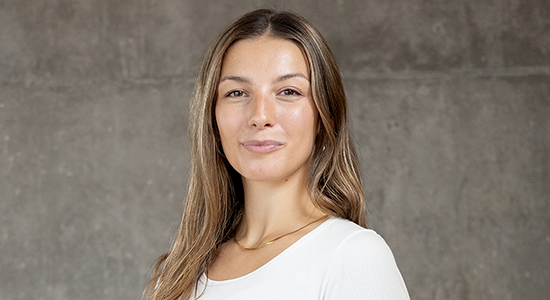
Sophia Leiss
Germany
Academic background
M.Sc. Health Sciences – Prevention and Health Promotion (Technical University of Munich), B.Sc. Health Science (Technical University of Munich
Host institution
Novo Nordisk Foundation - Center for Basic Metabolic Research
Danish Cancer Institute
Main supervisor
Co-supervisor
Cecilie KyrøProject Title
“NORA: Navigating Organic and Refinement’s impact on human and planetary health“
Project summary
NORA examines how two features of modern plant‑based eating, degree of processing and production method (organic versus conventional), relate to human and planetary health. This PhD is a human‑health subproject within NORA. Environmental footprints will be assessed by Danish collaborators in parallel work packages.
Using the Diet, Cancer and Health – Next Generations (DCH–NG) cohort, we will operationalize processing with a predefined NOVA protocol and characterize organic use from food frequency questionnaires. First, we will describe intake of plant‑based foods by processing degree and production method and assess how these vary by sociodemographic factors. Second, leveraging register linkage, we will estimate prospective associations between these exposures and major cardiometabolic outcomes. Complementing the cohort, a randomized cross‑over menu study will compare minimally processed versus ultra‑processed plant‑based diets, matched for energy and macronutrients, to test short‑term effects on cardiometabolic risk markers and to profile the oral–gut microbiome and metabolome.
By combining descriptive exposure mapping, prospective risk estimation, and mechanistic experimentation, this PhD will clarify where ultra‑processing and production method converge in real‑world diets and identify biological pathways linking processing to early cardiometabolic changes.
INTERACT angle
How does the project reflect interdisciplinarity?
NORA integrates nutritional epidemiology, biostatistics, and clinical nutrition science with microbiome and metabolomics profiling to uncover mechanisms. The work also draws on food technology and classification expertise and engages public health and policy translation through standardized, reproducible methods and reporting.
How does it contribute to health research?
The project delivers three advances: first, a transparent, reproducible protocol for classifying processing degree in a modern food frequency questionnaire, with uncertainty scenarios that others can adopt. Second, population‑level evidence on how processing degree and production method distribute across sociodemographic groups, addressing equity and targeting of guidance. Third, robust associations between these dietary dimensions and cardiometabolic endpoints in a large, register‑linked cohort, complemented by a randomized cross‑over study that clarifies short‑term physiological and omics responses. Together, these outputs strengthen causal interpretation, inform dietary recommendations for plant‑forward eating, and provide actionable evidence for policies that align human health with environmental sustainability.
Fun fact
“Measure what matters, and make what matters measurable.”
Links
LinkedIn: www.linkedin.com/in/sophialeiss
ORCID: https://orcid.org/0009-0007-4463-5314
Publications
Leiss, S. M., Hou, H. X., Pigorsch, S., Borm, K., Peeken, J., Schneider, A., Combs, S., Dinkel, A., & Bernhardt, D. (2025). Analysis of radiation oncology integration within general practitioners' daily patient care: a cross-sectional survey in Germany. Strahlentherapie und Onkologie : Organ der Deutschen Rontgengesellschaft ... [et al], 201(7), 723–731. https://doi.org/10.1007/s00066-024-02352-1
Leiss, S. M., Wiestler, B., Hou, H. X., Schmottermeyer, D., Sackerer, V., Diehl, C., Peeken, J., Borm, K., Negwer, C., Wagner, A., Yakushev, I., Delbridge, C., Mitsdörffer, M., Schmidt-Graf, F., Meyer, B., Combs, S., & Bernhardt, D. (2025). Comorbidity burden in elderly high-grade glioma patients: impact on radiotherapy outcomes. BMC cancer, 25(1), 1496. https://doi.org/10.1186/s12885-025-14957-5
Hou, H. X., Leiss, S. M., Schmottermeyer, D., Diehl, C., Wiestler, B., Peeken, J., Borm, K., Negwer, C., Wagner, A., Yakushev, I., Delbridge, C., Mitsdoerffer, M., Schmidt-Graf, F., Meyer, B., Combs, S., & Bernhardt, D. (2025). Radiotherapy and survival in elderly grade 4 glioma patients: The prognostic value of onco-functional outcome. Clinical and translational radiation oncology, 56, 101085. https://doi.org/10.1016/j.ctro.2025.101085
Dunås, T., Leiss, S., Corell, A., Skoglund, T., Dénes, A., Carén, H., Smits, A., Rydén, I., & Jakola, A. (2026). Genetic Risk Factors for Poor Cognitive Outcome Following Brain Insult-A Systematic Review. Brain and behavior, 16(1), e71173. https://doi.org/10.1002/brb3.71173 *shared first authorship.
Leiss, S. M., Jensdottir, M., Solheim, O., Corell, A., Lipatnikova, A., Gulati, S., Holmgren, K., Latini, F., Mahesparan, R., Milos, P., Neimantaite, A., Redebrandt, H. N., Pedersen, L. K., Sjöberg, R. L., Sjögren, B., Tomasevic, G., Thurin, E., Zetterling, M., Bartek, J., Jr, & Jakola, A. S. (2025). Asleep motor mapping in resected low-grade gliomas -a population based multicenter study. Brain & spine, 6, 105918. https://doi.org/10.1016/j.bas.2025.105918
Hou, H. X., Bisson, T., Leiss, S. M., Thierauf, J., Stern, A. D., Strobelt, H., Nensa, F., Buyx, A., Huster, K. M., Furlano, K., Kozlakidis, Z., Gupta, S., Kostadinov, D., Boor, P., Slagman, A., Tjardes, T., Cholet, P., Schneider, N. K., Schlomm, T., Biskup, S., … Lennerz, J. K. (2026). BRIDGE pilot study: a bilateral regulatory investigation of data governance and exchange. NPJ digital medicine, 9(1), 244. https://doi.org/10.1038/s41746-025-02322-6
Delbridge, C., Hou, H. X., Hielscher, T., Wiestler, B., Negwer, C., Schenck, L., Peeken, J., Diehl, C., Borm, K., Krieg, S., Aftahy, K. A., Leiss, S. M., Schmidt-Graf, F., Mitsdörffer, M., Yakushev, I., Von Deimling, A., Gempt, J., Meyer, B., Combs, S. E., Sahm, F., … Bernhardt, D. (2026). Prognostic impact of radiotherapy timing in WHO grade 2 and 3 meningiomas utilizing an integrated molecular-morphologic classification. Journal of neuro-oncology, 177(2), 67. https://doi.org/10.1007/s11060-026-05508-4
Stefania Fornezza
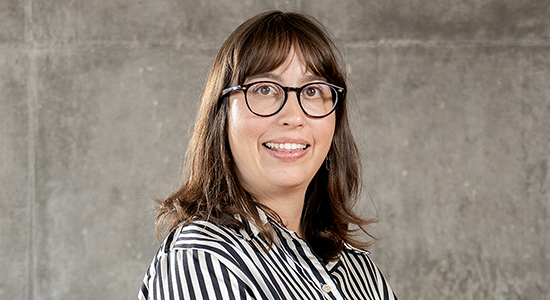
Stefania Fornezza
Italy
Academic background
Bachelor’s degree in Biological Sciences, University of Pavia (Italy), Master’s degree in Molecular Biology of the Cell, University of Milan (Italy), Research fellowship (1.5 years), University of Milan (Italy)
Host institution
Biotech Research and Innovation Centre (BRIC), University of Copenhagen
Main supervisor
Professor Claus Storgaard Sørensen
Co-supervisor
Professor Katrine QvortrupProject Title
Innovative approaches to decode cancer cell vulnerabilities
Project summary
My PhD project aims to develop and apply cell-based systems to dissect the regulatory mechanisms controlling cell cycle progression and the DNA damage response that underlie cancer cell survival.
The first part focuses on elucidating the role of CDK1 phosphorylation in cell cycle progression. CDK1, a key driver of mitosis, is tightly controlled by the inhibitory kinases WEE1 and PKMYT1. Interestingly, while both are essential genes, the essentiality of their target phosphorylation sites on CDK1 remains unclear. To address this, we will develop an intracellular, site-directed phosphorylation system based on amber codon suppression to precisely manipulate and study CDK1 phosphorylation at specific sites. This approach, which can be extended to any other targets, will enable modelling of defined phosphorylation states in vivo and uncover their impact on cellular phenotypes.
The second part focuses on developing enzyme activity assays to monitor the activity of Caspase-activated DNase (CAD) and its inhibitor ICAD. This system will provide insights into their non-canonical role in regulating the G2 checkpoint in cancer cells as a mechanism of resistance to genotoxic therapies.
Together, these strategies aim to advance our understanding of cell cycle regulation and DNA repair while establishing innovative cell-based tools for cancer research.
INTERACT angle
This project requires an interdisciplinary approach, combining chemistry, synthetic biology, and cellular biology to develop innovative cell-based tools. The first system, an in vivo templated phosphorylation platform, integrates chemical modifications with synthetic biological design and cellular assays to investigate CDK1 regulatory phosphorylation during the cell cycle. The second system, a nuclease cell-based reporter, merges chemical approaches to study enzymatic mechanisms with biological investigations of their phenotypic consequences.
By bridging these disciplines, the project will provide new insights directly relevant to health research, as they can reveal vulnerabilities in cancer cells and identify potential targets for novel therapies.
Fun fact
They say, ‘Choose a job you love, and you’ll never have to work a day in your life.’ That’s how I see research, even if some experiments seem determined to disagree!
Links
LinkedIn: https://www.linkedin.com/in/stefania-fornezza-629ab8232
ORCID: https://orcid.org/0009-0005-4089-2757
Publications
AGAP duplicons associate with structural diversity at Chromosome 10q11.22.
Fornezza S.1, Delvecchio VS1, Harvey WT, Dishuck PC, Eichler EE, Giannuzzi G.
Genome Res. 2024 Oct 29;34(10):1487-1499. doi: 10.1101/gr.279454.124. PMID: 39322278.
1 These authors contributed equally to this work
Tamara Fitzinger
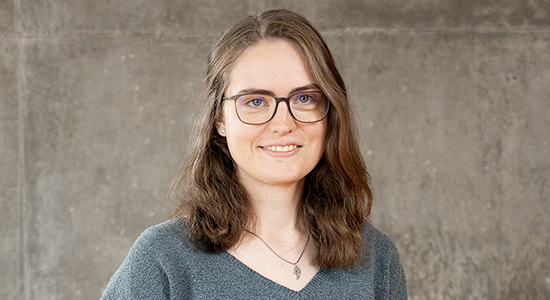
Tamara Fitzinger
Austria
Academic background
PhD Fellow – Biotech Research & Innovation Centre, University of Copenhagen, Denmark, Clinical Study Coordinator - Medical University of Vienna, Austria, Master of Science (MSc) in Drug Discovery and Development – University of Vienna, Austria, Bachelor of Science (BSc) in Medical and Pharmaceutical Biotechnology – University of Applied Sciences, Krems an der Donau, Austria
Host institution
University of Copenhagen, Biotech Research & Innovation Centre
Main supervisor
Prof. Jesper Bøje Andersen (Principal Supervisor)
Co-supervisor
Prof. Mads Hartvig Clausen (Primary Co-Supervisor)Project Title
Exploring the targetability of the SAM-domain methyltransferase METTL13 and its protein-protein interactions
Project summary
Bile duct cancer is a dismal disease often diagnosed at late stage, where the tumor is locally advanced, metastatic and, as a result, is associated with low resectability. The cancer's heterogeneity is a major reason why many patients fail to respond to therapy, and surgery remains their only curative option. New treatment options are therefore warranted.
The objective of this PhD is to explore the druggability of METTL13, initiating the development of a selective inhibitor (initial hits) targeting its novel protein-protein interactions. This will require the complex integration of cell and disease biology (assay development) with capacities for high-throughput screening (HTS) for protein-protein interaction modulators. As part of an iterative workflow, primary screening (based on viability of a relevant cell line) will be followed by counter-screening (using precision epigenetic models) to determine initial hits affecting the specific histone methylation state in a disease-relevant fashion. These hits will be prioritized for follow-up hit-to-lead development.
INTERACT angle
This project combines the expertise of the two host lab groups - human cell biology focusing on disease-related mechanisms at the lab of Jesper Bøje Andersen at the Department of Health and Medical Science at the University of Copenhagen, and medicinal chemistry at the lab of Mads Hartvig Clausen at the Department of Chemistry at the Technical University of Denmark. This project will continuously build on the competences of both lab groups to develop a suitable assay for screening and automatization, which will be incorporated for primary screening and counter-screening using precision epigenetic models. This workflow leads to the identification of hits affecting the disease-relevant epigenetics, and those molecules will be prioritized for hit-to-lead development.
Fun fact
Passionate about mountains, currently exploring Denmark’s charm from a flat perspective.
Links
LinkedIn: https://at.linkedin.com/in/tamara-fitzinger-803133244
Tommaso Ballocci

Tommaso Balloci
Italy
Academic background
BSc in Molecular Biology, University of Padova (IT), MSc in Molecular Biology, Lund University (SE)
Host institution
Denmark Technical University (DTU), Department of Health Technology, Experimental Immunology Section
Main supervisor
Sunil Kumar Saini (DTU)
Co-supervisor
Fran Supek (KU)
Kirsten Grønbæk (KU)
Project Title
Identification and Characterization of splice-derived T-Cell antigens in myelodysplastic syndrome and chronic lymphocytic leukemia
Project summary
In this project we aim at identifying actionable neoantigens generated by aberrant splicing events, in the context of hematological cancers. Given the limitations of somatic mutations as a target pool, we are interested in contributing to the field of neoantigen discovery by investigating the potential role of transcriptional aberrations as a neoantigen source. We are focused in understanding how somatic mutations in spliceosome genes (SF3B1, U2AF1, SRSF2, ZRSR2), which are recurrent in blood cancers such as myelodysplastic syndromes (MDS) and chronic lymphocytic leukemia (CLL), can influence the transcriptional landscape of cancer cells, and give rise to a pool of splice-derived, cancer-specific neoantigens that could be leveraged for therapeutic purposes. To achieve this, we will establish a neoantigen identification pipeline, using the tumor compartment from spliceosome-mutated patients and perform long-read RNA sequencing to identify de novo splice isoforms. The predicted peptides will be used to assess neoantigen-specific T cell responses in patient’s PBMCs through a large-scale screening platform based on DNA-barcoded p-MHC dextramers. Finally, we will employ various methodologies to characterize neoantigen-specific T cells, such as single-cell RNA sequencing, TCR-sequencing and in vitro functional assays, with the aim to understand the therapeutic potential of these cells.
INTERACT angle
How does the project reflect interdisciplinarity?
Bioinformatics, clinical science and applied immunology are all necessary components to make this project relevant, novel and interdisciplinary. The computational side creates the backbone of this research, by taking inputs from the clinics and translating them into an immunological relevant product. The clinics provide fundamental insights to define the scope of the project, its relevance and translatability for therapeutic purposes. Finally, applied immunology techniques will provide knowledge on the actionability of the predicted peptides, by characterizing the T cell compartment of patient samples.
How does it contribute to health research?
This project could help shed light on a previously overlooked class of neoantigens that could expand the pool of actionable targets for cancer immunotherapy, especially in diseases that are to this date incurable.
Fun fact
Before I discovered my passion for science, I was practicing inline speed skating for over 10 years at a semi-professional level. As niche as it sounds, it shaped my life with discipline, collaboration and constant back pain. Now, I’m always down for a skating session at the seafront!
Links
LinkedIn: https://www.linkedin.com/in/tommaso-ballocci
ORCID: https://orcid.org/0009-0004-1312-5539
Publications
Ascic, E., Fontanari, G., Thrasyvoulou, M., Pérez Bucio, C., Ballocci, T., Pereira, C. Tractable In Vivo Reprogramming of Tumor Cells to Type 1 Conventional Dendritic Cell-like Cells. J. Vis. Exp. (222), e68739, doi:10.3791/68739 (2025).
Ascic E., Åkerström F., Sreekumar Nair M., Rosa A., Kurochkin I., Zimmermannova O., Catena X., Rotankova N., Veser C., Rudnik M., Ballocci T., Schärer T., Huang X., de Rosa Torres M., Renaud E., Velasco Santiago M., Met Ö., Askmyr D., Lindstedt M., Greiff L., Ligeon L.A., Agarkova I., Svane I.M., Pires C.F., Rosa F.F., Pereira C.F.. In vivo dendritic cell reprogramming for cancer immunotherapy. Science, 386 (6719), eadn8093, doi:10.1126/science.adn908 (2024).
Tzu Ching Yang
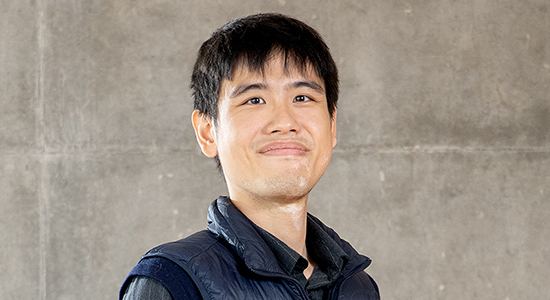
Tzu Ching Yang
Taiwan
Academic background
- Doctor of Philosophy (PhD), Department of Chemistry – Technical University of Denmark. 2025 – Present
- Associate Assistant Scientist in the R&D formulation team – TTY biopharm. Co. Ltd. 2023-2025
- Master of Science, Department of Chemistry – National Taiwan University. 2020-2022
- Bachelor of Science, Department of Agricultural Chemistry – National Taiwan University. 2016-2020
Host institution
Technical University Denmark
Main supervisor
Mads H. Clausen
Co-supervisor
Professor Anders H. LundProject Title
Development of small molecule ligands for oncoribosomes
Project summary
Development of small molecule ligands for oncoribosomes
RNA is considered as a druggable target following the identification of several RNA-targeting small ligands. Among all RNA classes, ribosomal RNA (rRNA) stands out as a promising target for the following reasons. Firstly, comparative analysis has revealed that the conserved nucleotide sequence of the rRNA exists a framework of highly conserved secondary structures. Furthermore, the specific binding between aminoglycoside and prokaryotic rRNA also demonstrates the possibility of applying its three-dimensional structure for structure-based drug design. Additionally, the findings that binding of small molecules and RNA motifs could drastically affect ribosome as well as the importance of rRNA sequences in the translation process. Lastly, recent studies have shown that the aberrant rRNA modification, recognized as a hallmark of cancer, is an important part of tumorigenesis and progression. Some rRNA modifications, such as methylation and pseudouridylation, can induce changes in protein synthesis that favor oncogenic processes. Overall, these studies proved that rRNA could be a potential target for cancer therapies.
Chemistry: RNA synthesis, fragment screening (NMR method), fragment-to-lead chemistry, and binding affinity measurement. Biology: In-vitro transcription, ligation, and ribosome purification.
INTERACT angle
This project will involve strong collaboration between the chemical and biological fields. The basic design of the RNA target is based on statistical results derived from biological studies. We will then integrate both chemical and biological methods to construct the target RNA. Finally, we will apply chemical approaches to screen and validate fragments, as well the fragment-to-lead process.
This is the first time to apply chemical methods to target human rRNA for cancer therapy. If the results are positive, the study could provide valuable insights into future cancer treatment strategies.
Fun fact
Dreams too much, works a lot? but honestly, that is where all the good stuff comes from
Links
LinkedIn: https://www.linkedin.com/in/tzu-ching-yang
ORCID: 0009-0008-2183-043X
Publications
Lee, H. Y.; Chiang, P. Y.; Wu, H. J.; Wang, T. Y.; Yang, T. C.; Cheng, W. C.; Lo, L. C.; Liao, W. S., Versatile Azido-Functionalized Carbon Dots for Cancer Cell Imaging. ACS Appl. Nano. Mater. 2022, 5, 12374-12379
Yang, T. C.; Chiang, Y. J.; Chiang, P. Y.; Chen, H. Y.; Zhuang, K. R.; Wang, Y. C.; Lin, C. H.; Lo, L. C.; Fu, S. J., Design, synthesis, and anti-cancer evaluation of C-14 arylcarbamate derivatives of andrographolide. Med. Chem. 2024, 98, 117582.
Valeriia Svintytska
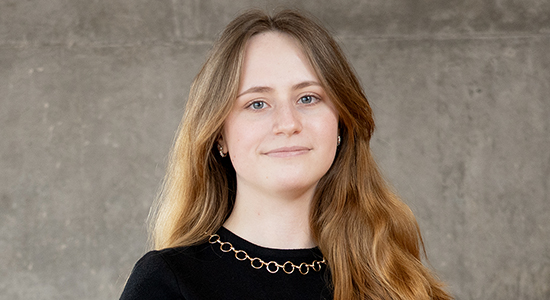
Valeriia Svintytska
Ukraine
Academic background
Erasmus+ International Master in Innovative Medicine (IMIM, 2022 – 2024)
Uppsala University, Sweden (year 1), University of Groningen, Netherlands (year 2)
Bachelor in Biology and Biotechnology (2018 – 2022)
National University of Kyiv-Mohyla Academy, Ukraine
Junior Specialist in Laboratory Diagnostics (2015 – 2018)
First Kyiv Medical College, Ukraine
Host institution
University of Copenhagen, Biotech and Research Innovation Centre (BRIC)/Rigshospitalet, Finsen laboratory
Main supervisor
Co-supervisor
Associate Professor Erwin Schoof
Project Title
Investigating the Molecular Impact of RPS19 and SBDS Mutations on Human Hematopoiesis Through a Proteomics-Based Approach
Project summary
Why is it important?
The project aims to investigate ribosomopathies – a collection of rare, but highly disabling congenital diseases, which are driven by genetic defects in the protein synthesis machinery. Depending on the specific disease type and the nature of underlying mutation, patients can experience a wide range of clinical symptoms across several organ systems, with the most pronounced effect on the hematopoietic system. These conditions include Diamond Blackfan anemia (DBA) and Shwachman-Diamond syndrome (SDS), in which patients present with anemia and neutropenia, respectively. DBA is primarily caused by mutations in ribosomal proteins such as RPS19, whereas SDS harbors lesions in the ribosome maturation factor SBDS. The exact reason why lesions in the ribosome differentially impact erythroid or neutrophil differentiation depending on the mutation type remains unclear.
What methods or disciplines are involved?
The project involves CRISPR-based gene editing in primary hematopoietic stem and progenitor cells to develop an in vitro genetic model of DBA and SDS. Subsequently, single-cell transcriptomics and proteomics approaches will then be applied to identify changes in the proteome during neutrophilic and erythroid differentiation and understand how these are altered in the context of RPS19 and SBDS mutations.
INTERACT angle
How does the project reflect interdisciplinarity?
The project combines experimental haematology, advanced gene editing approaches with single cell transcriptome and proteome analysis on primary human patient material. The project will also involve high-end computational analyses to integrate and model the multimodal datasets.
How does it contribute to health research?
Currently, no curative treatments are available for the described diseases, even though hematological symptoms can be partially managed through transfusions or, in more severe cases, bone marrow transplantation. Despite this, SDS and DBA remain associated with poor outcomes, including early childhood mortality. The knowledge gained will not only contribute to a broader understanding of the processes behind disease development but also may be useful for the translational attempts aimed at mitigating abnormal hematopoietic phenotypes in patients.
Fun fact
I have a small scar on my leg from an acid burn I got during my first lab experiments as an undergraduate. I jokingly call it my initiation into science.
Links
Instagram: https://www.instagram.com/valeriasvua
LinkedIn: https://www.linkedin.com/in/valeriiasvintytska
ORCID: https://orcid.org/0009-0004-3498-2425
Publications